

THE EVOLUTION OF CARBOXYTHERAPY
A CENTURY-OLD THERAPY,
REIMAGINED FOR MODERN PRACTICE.
Carboxytherapy has evolved from the therapeutic use of carbon dioxide in European medicine to a non-invasive topical approach that supports modern aesthetic, surgical, and regenerative protocols.
WHAT IS CARBOXYTHERAPY
CARBON DIOXIDE
AS A THERAPEUTIC SIGNAL.
Carboxytherapy is the therapeutic use of carbon dioxide (CO₂) to support local circulation and oxygen delivery in skin and underlying tissue.
The delivery methods differ. The foundational physiologic concept remains the same.
TRADITIONAL
CARBOXYTHERAPY
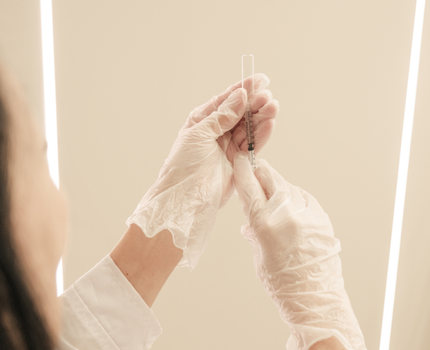
Traditional carboxytherapy introduces purified CO₂ through small injections beneath the skin.
TOPICAL
CARBOXYTHERAPY
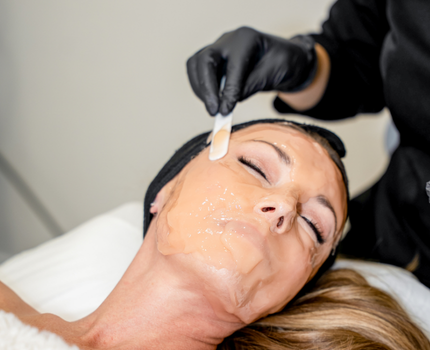
A self-generating gel produces CO₂ and maintains contact with the treatment area in a non-invasive, device-free format.
DEEP ROOTS. MODERN RELEVANCE.
FROM THERAPEUTIC WATERS TO TOPICAL DELIVERY.
Carboxytherapy’s clinical story developed over centuries—moving from naturally carbonated waters into injectable medical and aesthetic applications, and ultimately into non-invasive topical delivery.
1400s
Japan
Japanese Samurai warriors were believed to use naturally carbonated hot springs to support wound healing and recovery after battle, an early example of the therapeutic use of carbon dioxide-rich waters.1400s
The spa era
Naturally carbonated mineral springs were prized for their apparent healing effects. The first documented, deliberate therapeutic use of purified carbon dioxide is traced to a German spa in the early 1700s.1932
Royat, France
At the famous thermal springs of Royat, physicians moved beyond bathing and used carbon dioxide injections directly to treat poor circulation and slow-healing wounds, widely considered the birthplace of modern carboxytherapy.Mid-1900s
A research home
A dedicated research institute in Royat helped formalize the practice, producing decades of clinical study and spreading the technique across Europe and, later, South America.1995
The treatment gets its name
The term "carboxytherapy" was formally introduced to the medical community at an aesthetic-medicine assembly in Rome, giving the century-old practice a single, recognizable name.Early 2000s
Arrival in the United States
As it gained popularity in Europe and Brazil where dedicated clinics became commonplace, it crossed into the U.S. aesthetic scene. Certain CO₂ delivery devices received U.S. regulatory clearance in this period.Today
A non-invasive evolution
Topical carboxytherapy gel has extended the treatment beyond the clinic, making CO₂-based tissue support available for everyday skin health and gentle, needle-free recovery.THE BOHR EFFECT
CO₂ HELPS SIGNAL OXYGEN RELEASE WHERE IT IS NEEDED.
When local CO₂ concentration increases, hemoglobin’s affinity for oxygen decreases, facilitating oxygen release into surrounding tissue.
1. INTRODUCE CO₂
A treatment delivers a burst of carbon dioxide to the skin. Think of red blood cells as delivery trucks carrying oxygen, they need a signal for where to drop it off.
2. THE BODY RESPONDS
Create space to discuss early changes in hydration, comfort, and tissue quality as part of a proactive wellness conversation.
3. AROUND PROCEDURES
Incorporate provider-directed care before or after intimate-area procedures when appropriate to the procedure and recovery plan.
WHY TOPICAL CARBOXYTHERAPY NOW
MODERN PROCEDURES HAVE ADVANCED. THE CARE SURROUNDING THEM MUST ADVANCE, TOO.
Today’s patients expect more than a procedure—they expect a comprehensive treatment experience that supports healthier-looking skin before, during, and after treatment.
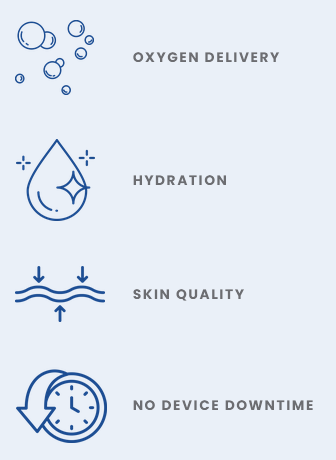
Carboxy Regenerative Therapy gives healthcare professionals a non-invasive way to support the tissue environment through oxygen delivery, hydration, and overall skin quality. Easily integrated into existing protocols, it complements a wide range of aesthetic and regenerative procedures without additional equipment or device-related downtime.
For providers, that means a practical way to support more of the patient journey without adding complexity to the treatment room.
CARBOXIFY® THE COMPLETE TREATMENT EXPERIENCE
One modality. Multiple points of integration.
Topical carboxytherapy can be incorporated as a standalone treatment or positioned around procedures based on tissue status, procedure intensity, and treatment goals.
Whether used alongside injectables, lasers and other energy-based treatments, microneedling, surgery, skin-quality programs, or women’s health procedures, it gives providers flexibility to adapt care to the patient and the treatment plan.

PREPARE
Support the tissue environment before a planned procedure.

PAIR
Integrate during or immediately following treatment when appropriate.

RECOVER
Extend provider-guided care into the early recovery period.

MAINTAIN
Support ongoing skin quality and continuity between visits.
CLINICAL UTILITY. PRACTICE OPPORTUNITY.
Support better experiences—
and a stronger practice model.
For practices, incorporating Carboxy Regenerative Therapy creates opportunities to enhance patient satisfaction, expand treatment offerings, and build recurring revenue through protocol-based care.
Whether offered independently or paired with established services, it provides a science-driven framework that supports differentiated patient care and long-term practice growth.

Create a more thoughtful experience around the procedure—not only during it.

Add a flexible, non-invasive modality to existing clinical workflows.

Extend protocols across treatment series, recovery, and maintenance.
A MODERN TOPICAL DELIVERY PLATFORM
Advancing carboxytherapy beyond injection.
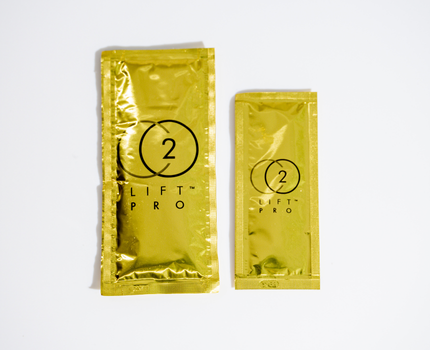
CO2Lift® PRO
Supports professional aesthetic care and procedural applications.
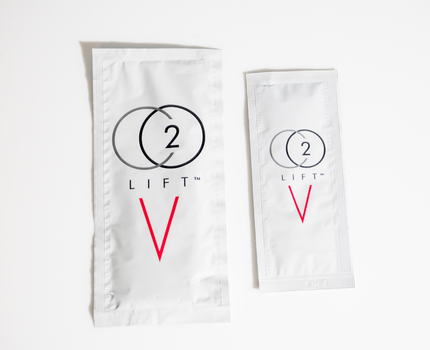
CO2Lift® V
Extending the same platform to support external intimate wellness care.